Guiding plants with light,
from seed to harvest.
Chromavia's laser seed priming activates natural metabolic pathways prior to sowing, enabling faster germination, more uniform growth, and increased resistance to abiotic stress.
Technology
Light-driven transcriptional regulation.
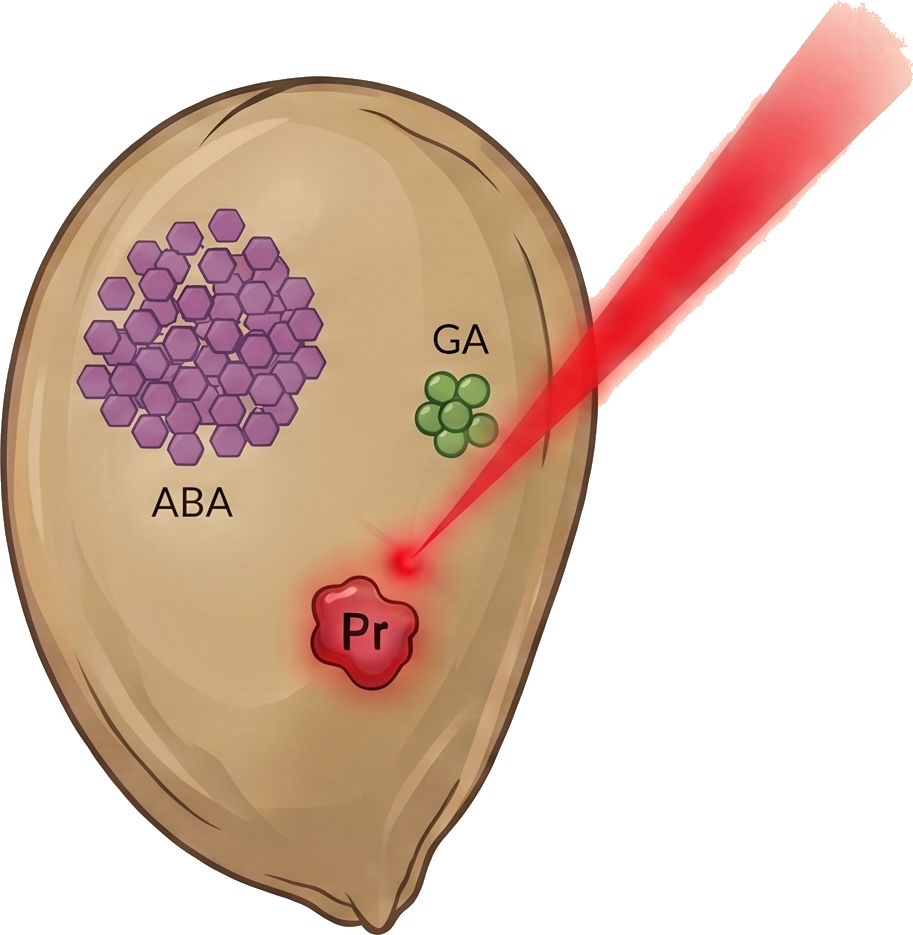
Our technology uses no agrochemicals or genetic modification, staying fully organic-compatible. We use precisely controlled light to make the seeds more metabolically healthy, while switching on stress resistance traits to establish stronger seedlings.
Dormant seed
Biophotonic activation
Boosted vigour
Organic first.
Organic growers are the most under-served even as demand for their products keeps accelerating. Chromavia's treatment adds no chemicals, doesn't disrupt the genome, and is non-ionising and safe for biological tissue.
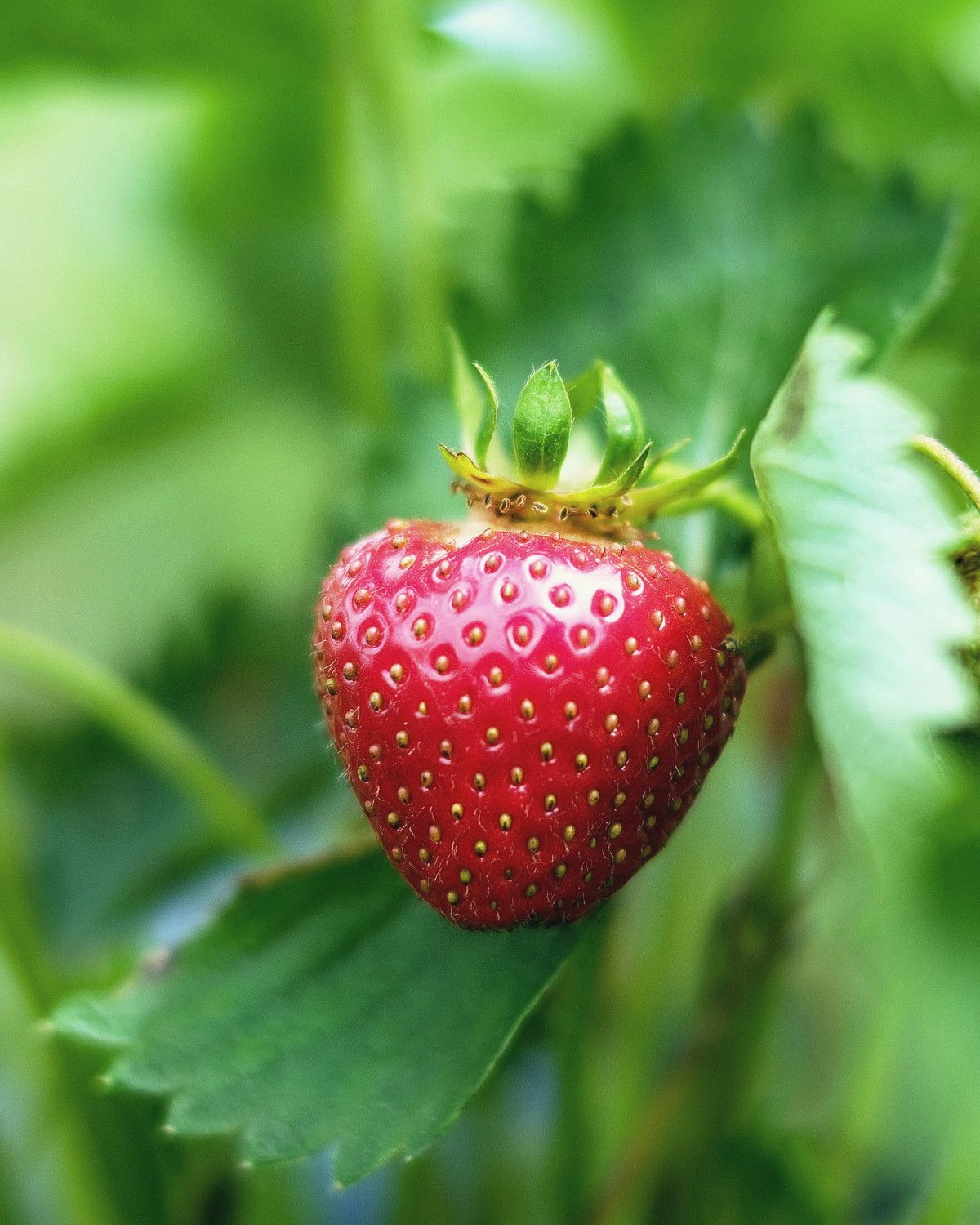
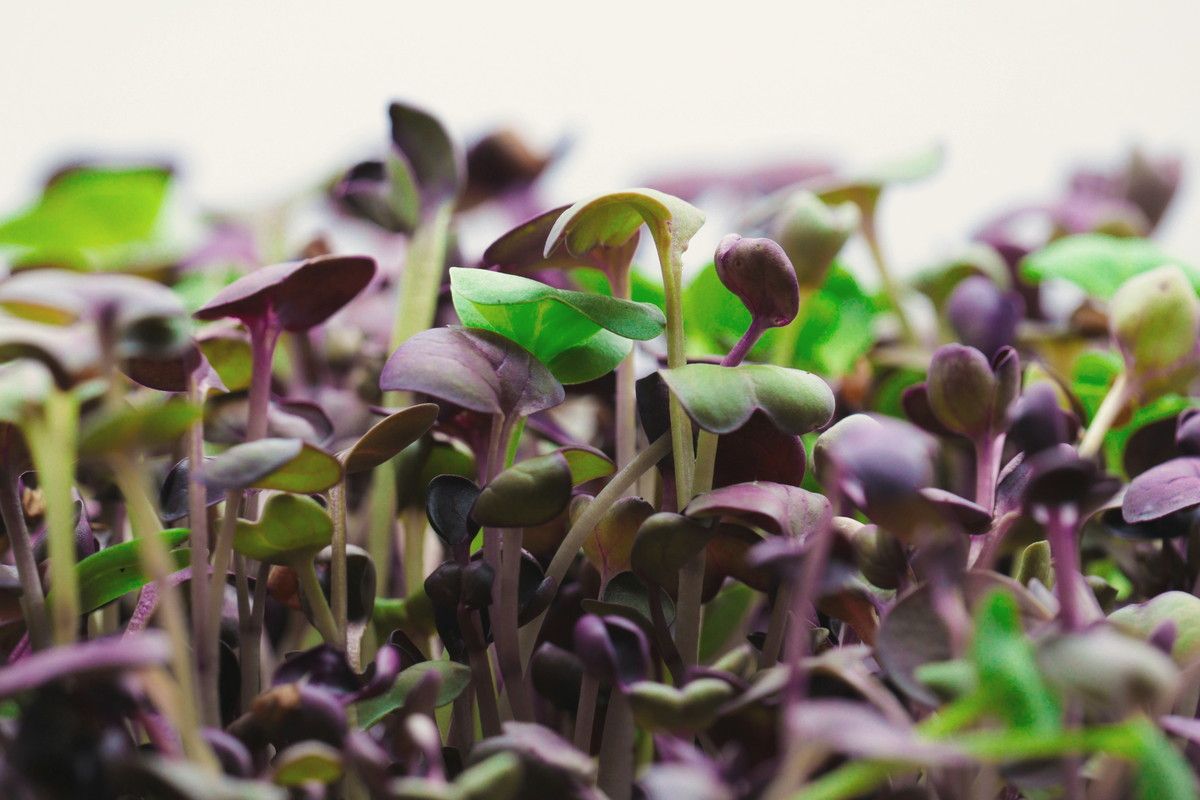
We target high-value crops such as tomatoes, zucchini, strawberries, sprouts and microgreens, to enable productivity gains that were previously inaccessible to the organic sector. The treatment achieves lower labor requirements through faster and more uniform germination, as well as building innate abiotic stress resistance throughout the life of the crop.
Why light wins
Chemical priming
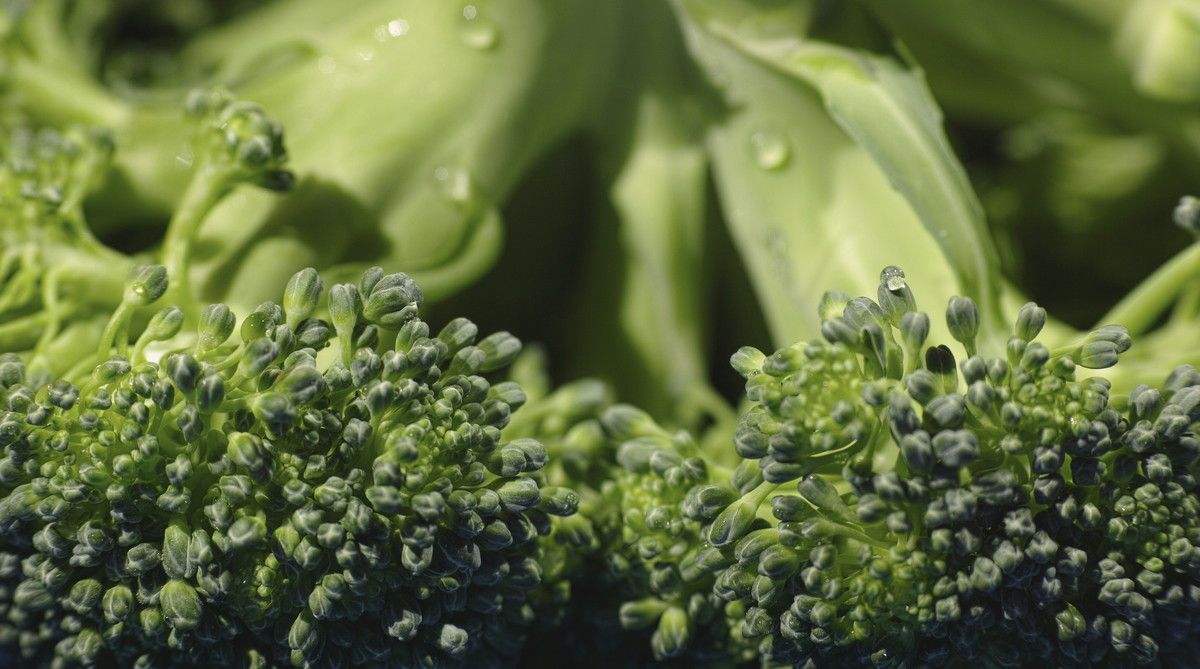
Dangerous chemicals can leak into the soil or leave residue in the produce.Photonic priming
- Light pulse tuned to the photoreceptors naturally present in the seed.
- Fast treatment with lasting impact.
- No synthetic chemicals, no nanoparticles, no toxic residues.
Your produce stays pristine.
Nothing added, nothing left behind.
Platform
Precision management of
plant biochemistry.
Our goal is to create a platform for managing plant biochemistry at every stage of its life, from seed to harvest, applying light stimulation and diagnostics to guide optimal decisions and outcomes.
Before sowing
Prime
Available soon
Light priming of seeds boosts plant metabolism and stress resilience, driving faster and more uniform emergence and seedling establishment.
In the field
Sense
In development
Precise autonomous diagnostics of a plant's stress state via state-of-the-art laser spectroscopy, to recognize oxidative stress and act early, before the damage has a chance to occur.
In the produce
Control
Early research
Optical stimulation guided by diagnostics, to steer primary nutrients and secondary metabolite expression in the final produce.
What every stage improves
Vigour
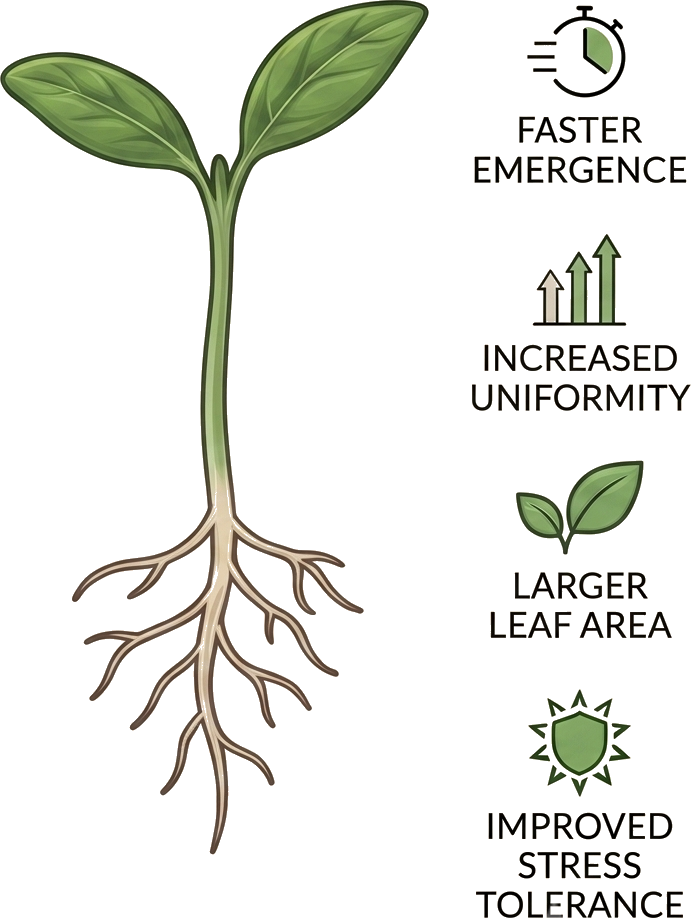
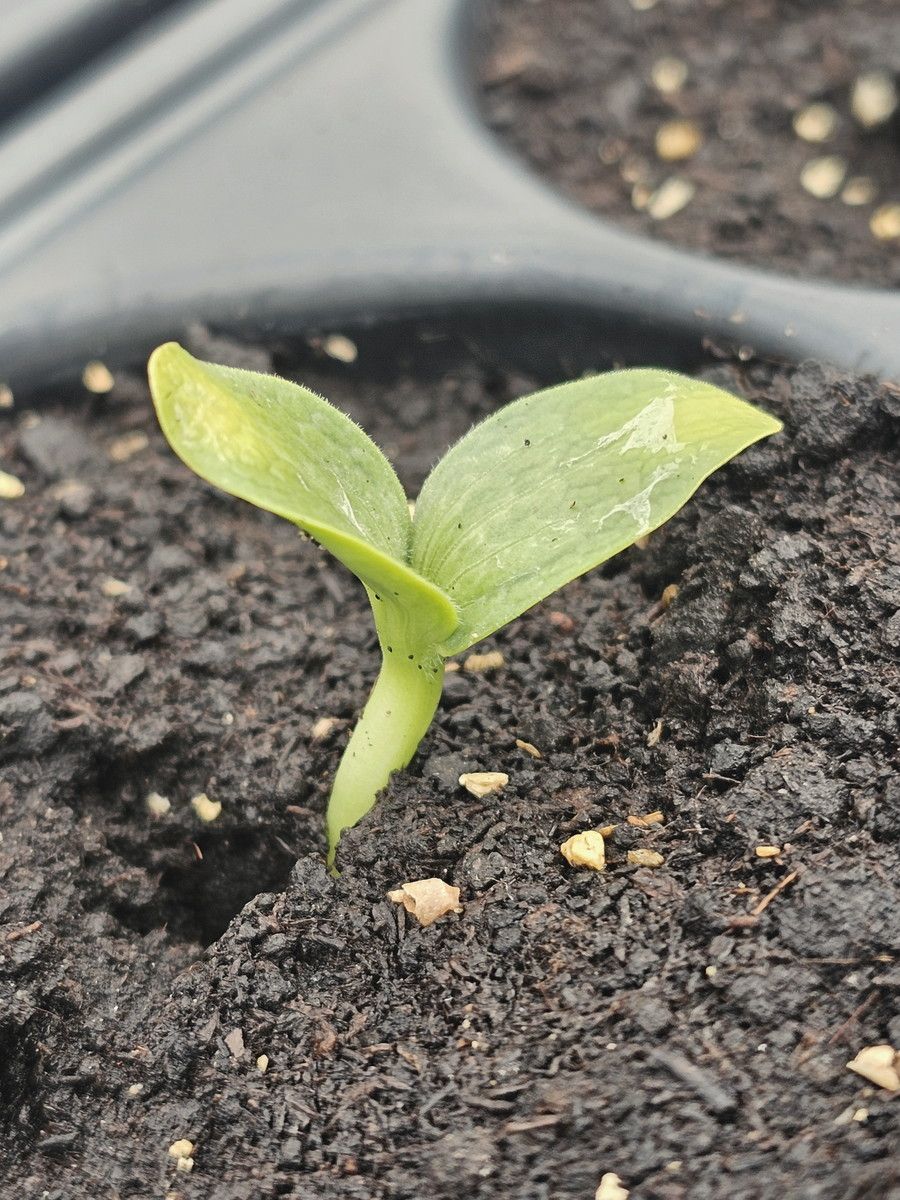
Faster and more uniform emergence, so more of every seed becomes a healthy crop.
Resilience
Boosted resistance to drought, salinity, heat and cold, throughout the lifetime of the plant.
Quality
Metabolic control, to create produce with a high density of flavour compounds and nutrients.
Results
What our priming does
to your crop.
We have tested our technology on multiple crops and conditions. The figures shown below come from Zucchini Leila F1, measured in real growing conditions against untreated Zucchini Leila F1 seeds.
Open-field trial
A controlled field trial was carried out with our partner academic institution, to understand the priming impact across the full lifecycle of the crop up to harvest.
Time to 50% germination
−8hours
The treated seed lot reaches the halfway mark sooner, so the seedlings start photosynthesis and are ready for transplanting sooner.
What this measuresClose
Time saved to reach 50% germination of the seed lot, measured against untreated control.
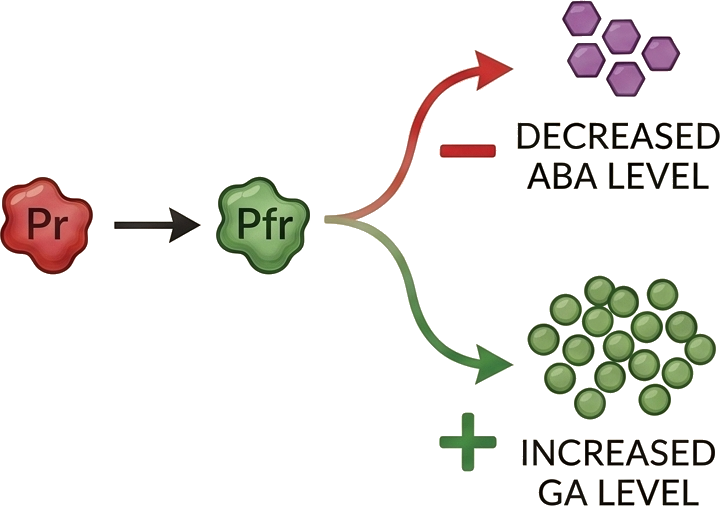
Laser priming acts by increasing the gibberellin to abscisic acid ratio, which breaks seed dormancy and triggers early metabolic activity, promotes early primary metabolites and improves overall seedling vigour.
Vigour Index
+10%
Treated seedlings put on more biomass and establish more strongly, which helps them outcompete weeds.
What this measuresClose
Germination rate × seedling stem length, measured at day 8 after sowing against untreated control.
Vigour Index quantifies seedling strength, the core trait determining resilience against external stress. Light builds epigenetic memory, priming the plant against future perils.
Total leaf area
+30%
The treated seed lot carries a larger total canopy surface, which drives higher light energy intake across the field.
What this measuresClose
Leaf area summed up across the whole treated seed lot at the same time after sowing, against the untreated lot.
Larger photoreceptive area means more light interception during establishment, the core window deciding whether a seedling survives its first stress event. Moreover, upregulated phytochrome expression leads to better photosynthetic rates later in plant growth, and a denser canopy shades the ground, slowing evaporation from the soil surface and retaining water.
Team
We've spent our careers controlling matter
with light.
A decade of hands-on work with lasers, spectroscopy, and molecular photophysics, and a deep passion for understanding light-driven biochemistry of living plants.
Our research has appeared in Science, Nature Communications, JACS, and Optica, with over 700 citations and a combined h-index of 20.
Piotr Kabaciński, PhD

Enrico Ridente, PhD

Get in touch to run a pilot trial on your own variety, or find us at one of the events below.